
Quote of the Month:
“Tick Season is here and those tiny Biters can make you seriously sick. The Good news is you have options to help prevent tick bites when you spend time outdoors: You can wear EPA-registered insect repellent and permethrin-treated clothing, do tick checks, and remove attached ticks as quickly as possible. These single steps can go a long way in protecting you and your family from disease spread by ticks. And if you develop a rash or fever in the days to weeks after a bite, or after being in an area with ticks, seek medical care promptly.”
– Allison Hinckley , PhD, epidemiologist with CDC ‘s Division of Vector Borne Diseases.
According to the Center for Disease Control, “an estimated 31 million people in the United States are bitten by a tick. In addition, ” Lyme Disease is the most common Tickborne Disease in the United Sates, with an estimated 476,000 patients treated for Lyme Disease.” According to Harrison Principle of Internal Medicine, “ticks attach superficially to skin and feed painlessly; blood is their only food.”
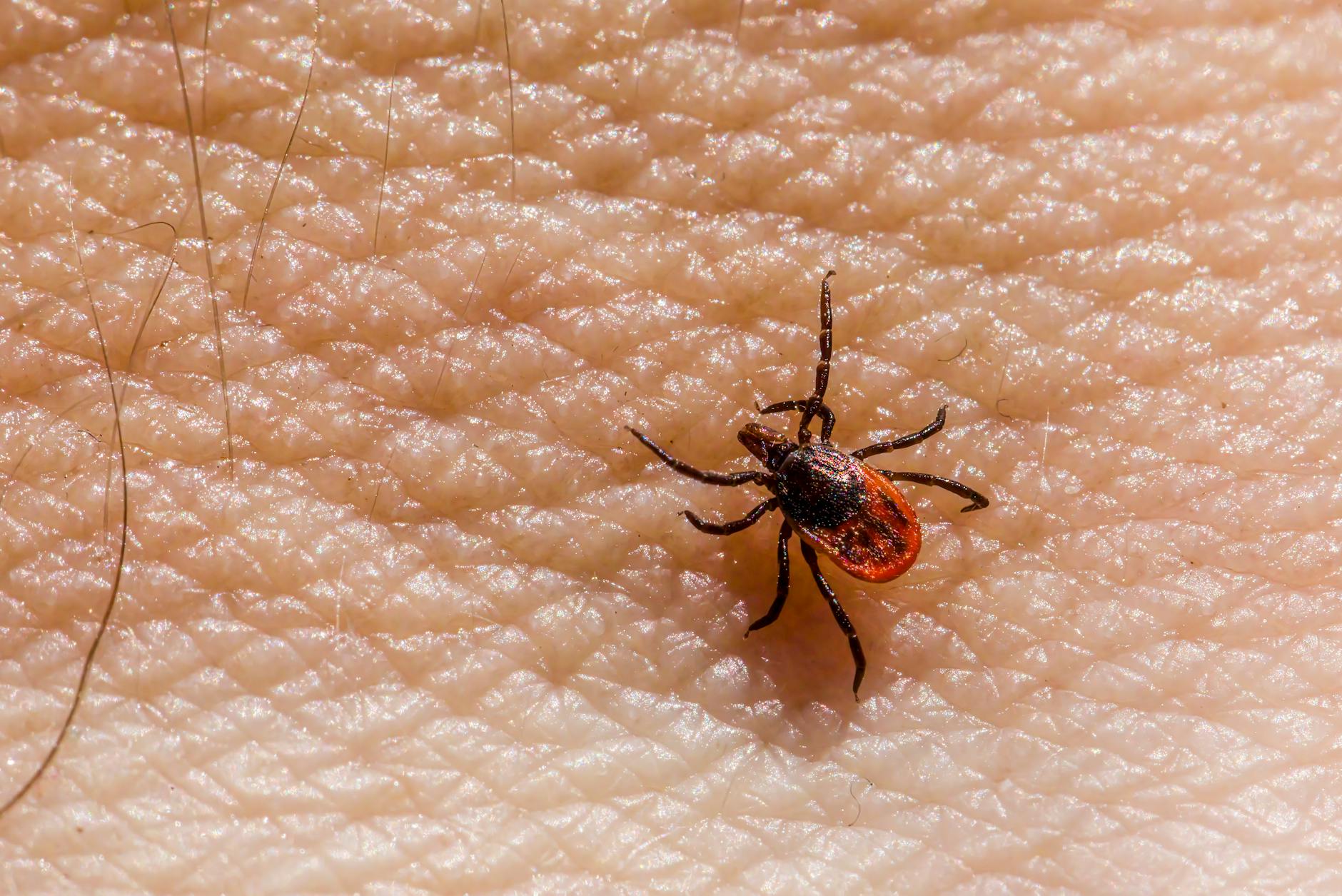
As an Internal Medicine Physician working in the hospital for over 15 years, these upcoming months, patients increasingly present to the hospital with tick bite exposures. For example, in the past, such a patient may present to the hospital with rash, recently new insect bite, increased fatigue, malaise, temperatures of>101.F, chills, profuse night sweats, confusion, thrombocytopenia (decreased platetets count), on laboratory work up during hospitalization. For most patients, on the third of hospitalization, symptoms improvement is observed when patient is afebrile, less confused, decreased generalized weakness and fatigue, along with good appetite . Interestingly, most are readily stable for discharged from the hospital after spending three to four days. Management include Doxycycline for 14 days, if there are no contraindications. Usually during the beginning stages of illness, the patient’s relatives, find the sudden dramatic change in cognitive function of their love one strange and difficulty to understand.
The Tickborne Disease season starts in May and continues until September of the current year. Some complications from Tick Borne Illness include Alpha Gal Syndrome, Ehrlichiosis, Rickettsia parkeri rickettsiosis, Tularemia, and Tick paralysis, an ascending muscle weakness that improves when the tick is removed from the patient. Tick paralysis is caused by toxins in the saliva of the attached tick. Geographically, different types of tick may cause different diseases, such as Northeastern United States ticks causing Lyme Disease. Tick in the Southwestern part of the Unites States causes Rocky Mountain Spotted Fever, whereas Ixodid ticks predominantly Dermacentor andersoni bite in the Northwestern part causes Colorado Tick Fever.

In summary, Prevention is better than cure. Perform a full body check after any outdoor activity, and remove a tick quickly. Remember to stay active, enjoy the outdoor activities and always complete any missing puzzle in your sphere of influence to create a life of beauty, health and prosperity for yourself, your family and your community.
By Kofi Amo-Mensah, MD.

