
Quote of the Month:
“You can have results or excuses- not both.”- Arnold Schwarzenegger.
How did obesity start and why is obesity prevalent in our society today? According to the Center for Disease Control, 4 out of every 10 Americans are obese. According to the World Health Organization, 1 in 8 adults worldwide is obese.
Honestly, Obesity affects many faucets of every society . The negative consequences from Obesity may include decreased work productivity. An obese person’s mortality rate increases 18% to 91% when compared to someone healthy. A study by the Journal Population Studies concluded that Severe Obesity BMI > 35 is linked to reduced life expectancy of 3 to 10 years and estimated that 1 in 6 deaths in the United States was related to excess weight or obesity. An obese person is more likely to die from premature Cardiovascular Disease, Cancer, Diabetes Mellitus or Myocardial Infarction than a healthy individual.
Interestingly, the solution to the Obesity epidemic begins on the individual level. One must understand his BMI. Normal BMI should be 18-24.9. One can measure BMI by calculating his weigh in kilograms divided by height measured in metered squared. (Kg/m2). BMI of 25-29 is considered overweight and BMI of 30 or above is considered Obese.
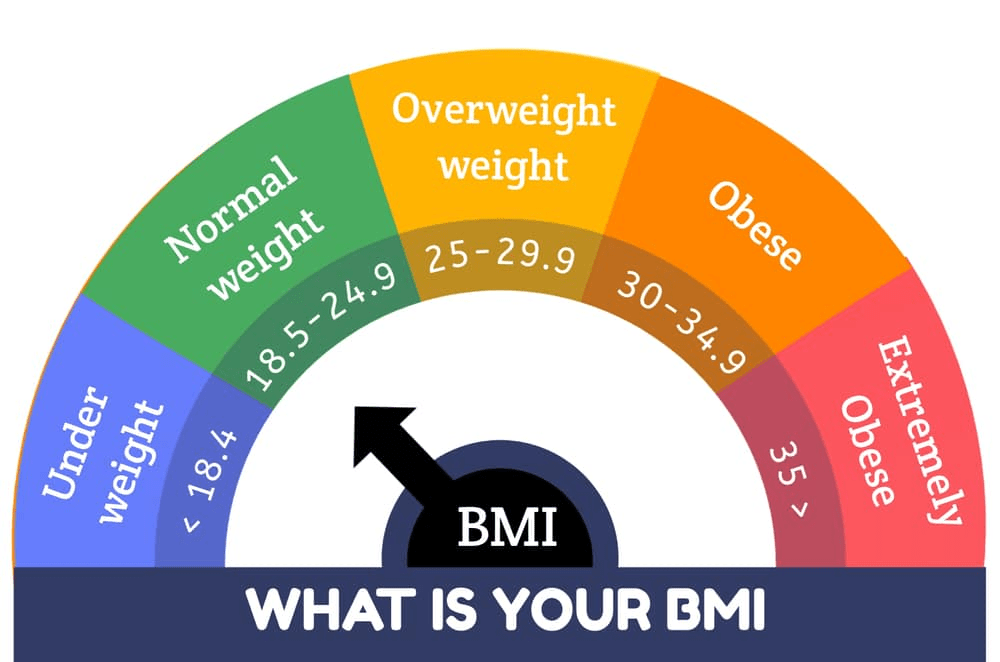
Combating Obesity requires an interdisciplinary approach and daily renewal determination for optimal weight management. It is recommended to purchase a scale at home to know one’s weight. Tips to control weight includes recommendation from the Center for Disease Control to exercise for 150 minutes per week. Exercise plans may include aerobic exercises and 2 times a week weight resistance training regiment.

In addition, choose to eat healthy everyday. Daily consumption of fruits, vegetables,nutritional foods rich in fiber are optimal ways to obtain good health. Food rich in fiber such as carrots, cashew, whole grain results in early satiety, which decreased food consumption.
Likewise, one must limit the consumption of processed foods which contains excessive amount of sodium which increases Hypertensive and Heart Diseases.
Practically, a healthy weight management comes down to the difference between energy consumption minus expenditures. The caloric consumption minus caloric expenditure results in net weight gain or weight loss. For example, a person sitting on his couch all day and eating, increases his net consumption than expenditure, and therefore, gains weight. Conversely, another person who exercises five times a week for 30 minutes, monitor her consumption may have net neutral consumption and expenditure ratio, thereby maintaining her weight or even losing weight.
Pharmacological agents such Glycogen like Protein 1 agents and SGLT2 inhibitors usage can assist in weight loss.
For patients unable to lose weight through the combination of exercise, diet and pharmacological agents, then perhaps referral for Bariatric Surgery may be an option for weight loss. Candidate for Bariatric Surgery may include a person with BMI of 40 or higher, or 35-39.9 with conditions such as Diabetes Mellitus, Hypertension.
In conclusion, we are what we eat. Ultimately, a healthy weight and a healthy lifestyle is a choice that requires effort, time in the gym, and having self control over food consumption. At the end, a healthy lifestyle is rewarding bridge to achieving your best possible life ever.
Sincerely,
Dr. Amo-Mensah
 Live The Best Possible Life Ever